
Ep 189: 120 Rejections Before a Yes: What Querying Literary Agents Actually Looks Like
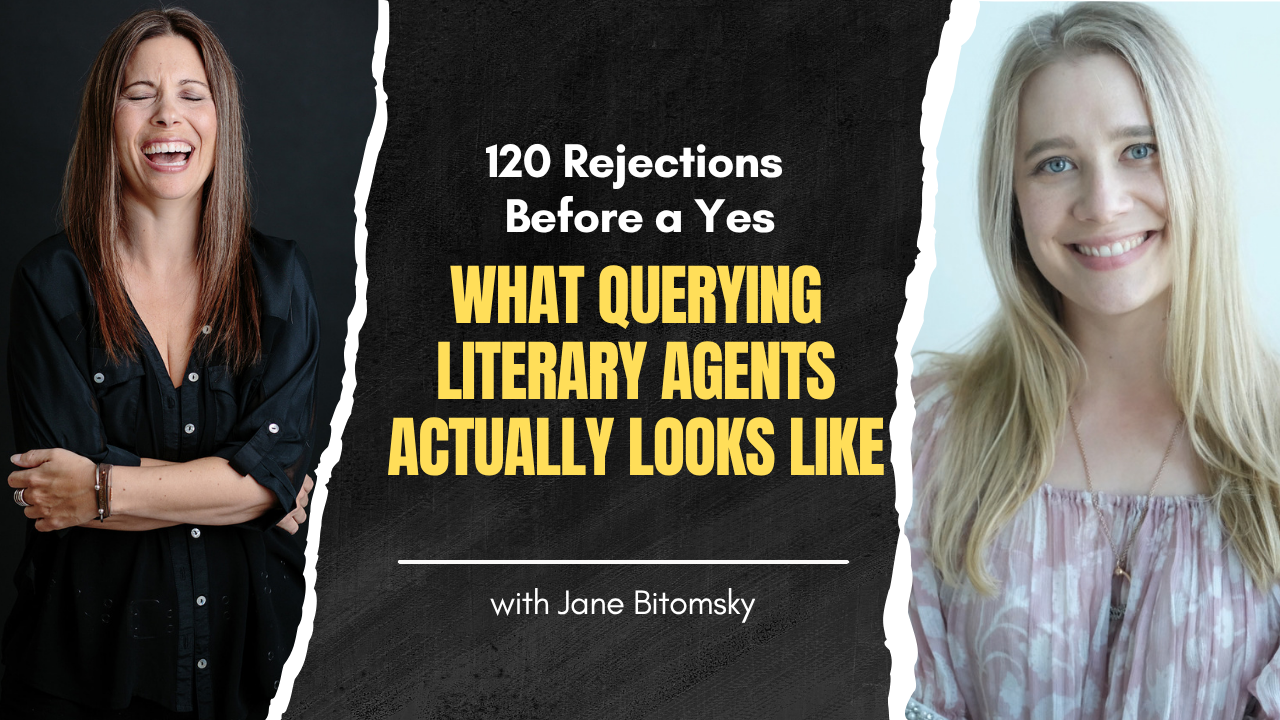
Jane Bitomsky counted. Ninety rejections before her first agent said yes. Then, that agent dropped her, and thirty more rejections before the second one did.
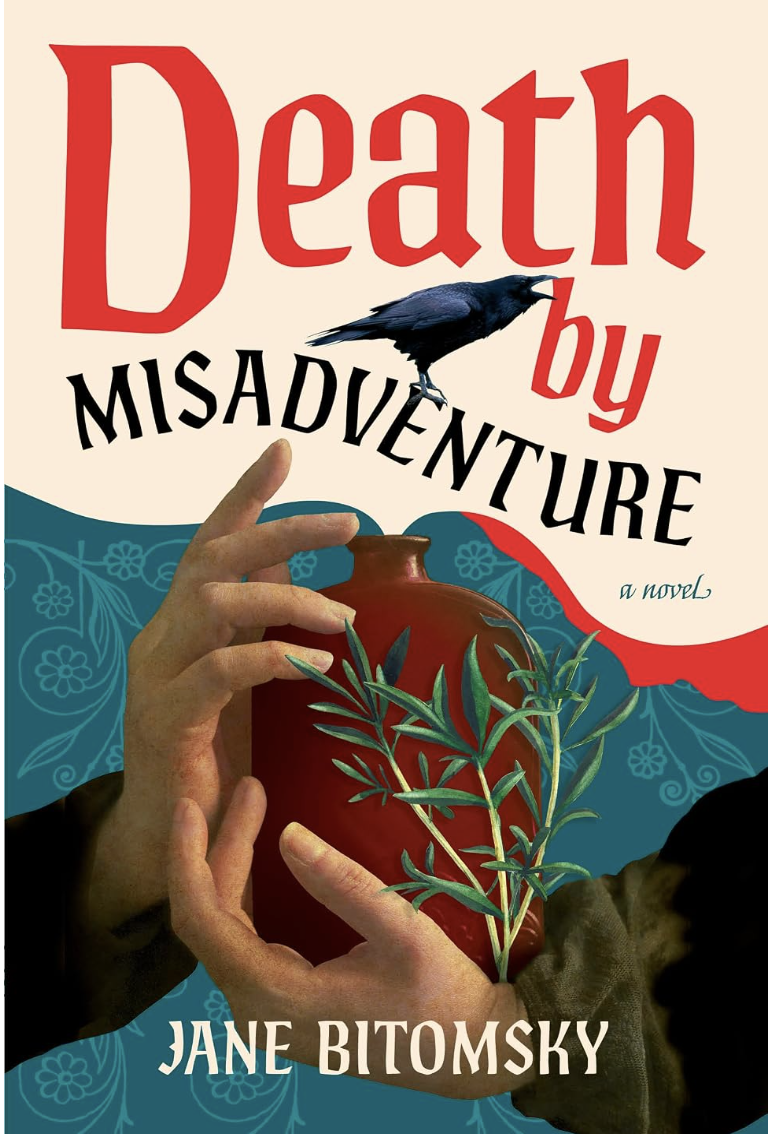
Her debut novel, Death by Misadventure, came out October 1, 2026 from Lake Union (an imprint of Amazon). It opens with a naked dead man found under a waterwheel in Elizabethan England, missing a certain piece of his anatomy, and a coroner named John Derrick trying to work out whether it was an accident or something worse.
Jane has a PhD in early modern English history. Her dissertation covered pregnancy and crime, half of it about women pleading their bellies to delay execution. She is also, by her own description, a person who responds to professional catastrophe by calling it "slightly dispiriting."
The Timeline Nobody Posts About
Jane started writing in 2019. By 2022 she had a full manuscript and started querying. Her query letter had one credential on it, which was the PhD, so she entered contests to have something else to list.
Third place in the First Novel Prize did the trick, and full requests started coming in about six months into querying. Two offers followed.
She signed with a big London agent whose other clients were international bestsellers. Then came a year of edits. Three rounds. The agent never added her to the agency website, which Jane assumed was normal. They went on submission just before Christmas. In late January, an email arrived from the agent’s assistant: nine rejections.
Jane had never heard from the assistant before and read that as the sign it was. The agent suggested sitting on the book and writing the next one. Jane already had two chapters going, because...well...you have to do something while you wait. She finished that manuscript, sent it in November, and heard back in December that the agent didn’t think she could sell it either. In January 2025, they parted ways.
What 120 Rejections Does to a Person
Within a week, Jane was querying again. Thirty more rejections, then two offers by March. Her new agent sent the second manuscript out in early April with no changes, and in June an editor said yes. A hundred and twenty rejections in total, by her count.
Her read on it (pun intended) is that the whole thing made her tougher. The first ones land as proof that you’re terrible and nothing will ever happen. Somewhere in the pile, they turn into "another one, okay, keep going." I’ve watched enough writers quit at rejection number fifteen to believe this is the part worth deeply considering. It isn’t that Jane is unusually thick-skinned. It’s that she kept going long enough for the skin to develop.
Rejection Doesn’t Stop at Publication
Then you publish, and the reviews start. Jane’s first ever review was two stars, with a full essay cataloguing everything that was wrong with the book. She’s now sitting around four out of five overall, and says ninety percent of the feedback has been lovely, but that two-star review arrived first.
Her response is among the healthiest I’ve heard: If someone wrote an essay (even a nasty one), they were engaged. They found things that genuinely worked them up. Not everything appeals to everyone.
I’ll add another trick that gets me through bad reviews, which is clicking into the reviewer’s profile and reading their other reviews. More often than not you’ll find a three-paragraph takedown of peanut butter and a scathing assessment of some wallpaper, which quickly reframes things.
What the Research Actually Required
Jane assumed the research would be straightforward, since the period is her academic specialty. However, that wasn't the case. Her PhD work was built on legal records, which are formulaic and tell you almost nothing about how people lived or spoke. So she read literature from the period to get the rhythm of conversation. She went to local historical societies for the names of real parishioners in Bramley and Guildford, plus the common occupations and industries there. And because the plot hinges on a missing piece of anatomy, she learned a considerable number of Elizabethan euphemisms.
Her editor largely took her word on historical accuracy, and the developmental notes she got were the standard kind: Give this character more dialogue, strengthen the female characters. Nothing specific to the period.
The only real back and forth came from the proofreader querying etymology, pointing out that a word didn’t appear in the dictionary until 1587, with Jane explaining that words tend to circulate for a decade or so before anyone writes them down. She’s braced for the reader email telling her she got something wrong. We all get that email, eventually!
What Marketing Looks Like From New Zealand
Jane lives in New Zealand, where there’s strong anti-Amazon sentiment. Her publisher’s focus is therefore digital and audio. She emailed a couple of the chain bookstores in New Zealand and heard nothing. She contacted a local publicist hoping for ideas and was told plainly that they couldn’t help.
Getting physical copies into a small market doesn’t pencil out when the book is so widely available digitally. She did discover, on her own, that her book is in Wellington’s biggest independent bookstore, and suspects her outreach to local newspapers is part of why.
There’s a widespread assumption that an Amazon imprint comes with substantial marketing behind it. What that actually looks like depends enormously on where you are and what formats your publisher is pushing.
The Launch Party Idea I Might Steal
Jane isn’t doing a launch event on release day. She’s waiting until November or December. Her reasoning: As a debut, she doesn’t have readers yet. If she waits, the people who got copies will have read them, and they can ask real questions instead of her standing alone on a stage.
She’s given copies to friends in advance specifically so there’s a room with something to say. I’ve never heard anyone suggest delaying a launch party and I immediately understood why it works. More people know about the book by then, you’re more comfortable talking about it, and word has had time to move.
Regarding book tours, the advice she's received is that unless you can personally fill a room in a given city, it isn’t worth it for a debut. Her sister lives in Brooklyn, so New York is a possible contender (provided Jane’s sister supplies the audience).
Promoting a Book When You Hate Social Media
Jane is not a social media person, and she doesn’t pretend otherwise. She overthinks it and worries anything she posts will read as inauthentic, so she mostly posts her dog. She also bought a dagger to open her author copies on camera, which made for a good video. Now the dagger lives locked in her desk and she’s planning its second appearance: a cake with an edible print of her book cover on top and something strawberry-based inside, so there’s blood when she cuts it.
On the writing itself, she wants to push against the idea that history is dry. Her goal is to sneak real historical detail through a book that’s fun to read, so you learn something without noticing. She also introduced me to the Tiffany problem, which is when a historically accurate detail seems so implausible that readers assume you made it up. She learned that term from a reviewer, which is a decent argument for reading them, after all!
ABOUT JANE BITOMSKY
Website: www.janebitomskybooks.com
Instagram: @janebitomsky
Want to Stay in the Know?
Sign up to receive the latest book industry news and updates!
Ready to Write the Damn Book Already?
Get the first draft of your nonfiction or memoir written in 33 days!
...even if you don't have a cabin in the wilderness, 4 uninterrupted hours a day to write, or confidence that you're a "real" writer.

Amazon Ads for Indie Authors!
Learn how to run Amazon ads that actually work—even if you’ve never touched an ad platform in your life.

Want all my best author email templates?
From communicating with your launch team to building long-term relationships with readers, these templates take all the guesswork out of writing emails that turn email subscribers into loyal readers!

Need Coaching, Accountability & Community?
The Book Writers Collective provides the coaching, support, and writers' community you need to bring your book to life!

SELF-PUBLISHING STARTER KIT
Discover the exact steps to focus on (and mistakes to avoid) so you can self-publish an incredible book that's indistinguishable in quality from a New York Times bestseller.
Recent Posts
