
Ep 180: What First-Time Authors Need to Hear Before Querying an Agent (with Eli McCann)
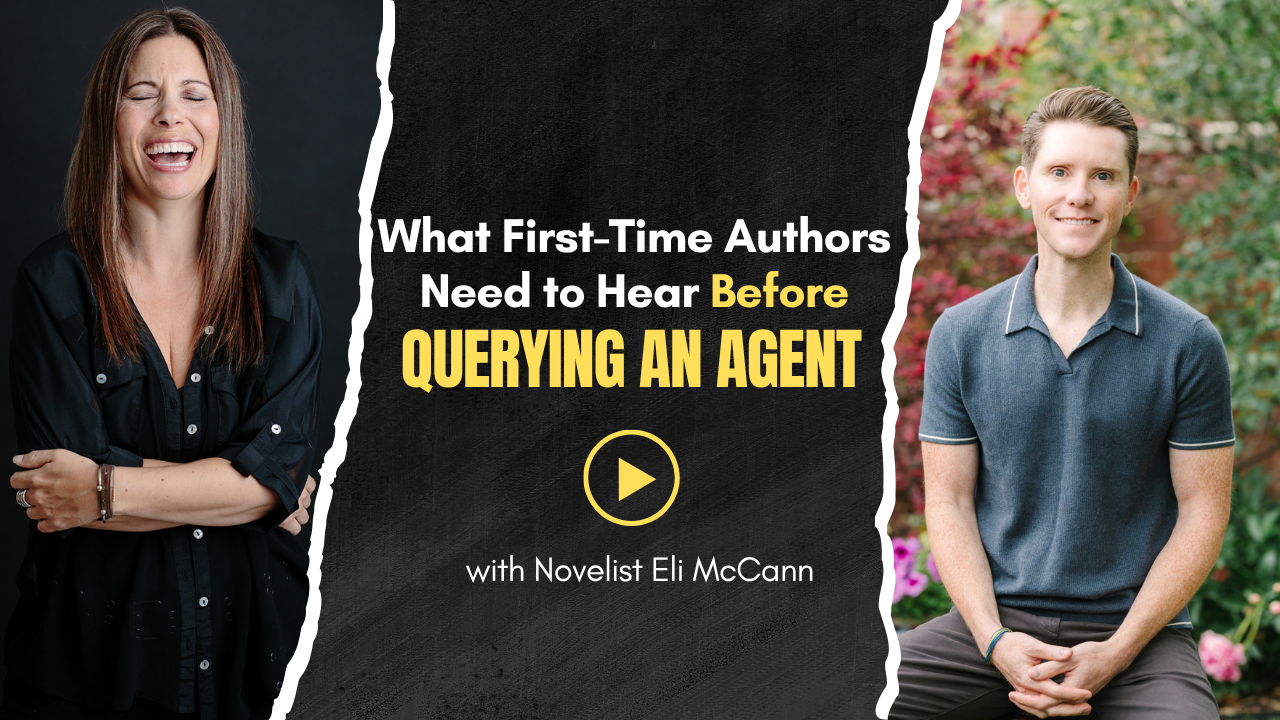
If you're a first-time author staring down the query trenches or wondering whether you even have the right to call yourself a "real" writer yet, this episode is for you.
My guest, Eli McCann, wrote a debut novel titled Stitched based on stories about his mom's drama-heavy, quilting group (I think of it like the Real Knitters of Salt Lake City), and the story behind how it got made is a massive testament to the power of refusing to shrink yourself to fit someone else's idea of marketable.
Eli is a lawyer, a longtime humor columnist for the Salt Lake Tribune, and a writer who built a massive storytelling following on TikTok and Instagram a full year before his book ever came out—on purpose. But also, and this is one of the (many) things I admire about him, he knows it's not all about the numbers.
We talked about why he built the audience in advance (and how), what happened when publishers told him his book would be a hard sell because it centers older women, and why he refused to rewrite his mom and her quilting friends into thirty-somethings with a romance subplot just because someone at a bigger publishing house suggested that it would sell better.
What hit me hardest (that "coincidentally" echoes part of my previous conversation with author and TV writer Eric Garcia): Eli never set out to write a novel. He wrote one chapter just to see what would happen. He then shared it with his husband, who both laughed and cried while reading it before saying, "You have to write this book." That's the whole origin story. No five-year plan, no MFA, just a guy who decided to see how far one chapter could take him.
What we get into
Building an audience before you have anything to sell. A year before Stitched came out, Eli started posting storytelling videos with zero mention of a book. He picked a tone and a style that matched what the novel would eventually feel like, so when he finally said, "I have a book now," the people already following him weren't surprised. This is so much of the "game" when it comes to either self-publishing or traditional publishing: The platform has to match the promise, or people show up expecting one thing, get handed another. and move on (in other words, unfollow).
The agent who told him the truth (that he didn't believe...at first). Eli's agent warned him upfront that publishing has a bias problem when it comes to older women and books that don't take place on a coast. He didn't believe it until he watched it happen, pitch after pitch, publishers loving the voice but asking him to change the entire premise. He said no, every time. It took over a year to find a publisher who wanted the book he actually wrote.
Audience size is not the same thing as audience investment. We spent a good chunk of the conversation on this, because it's the myth that keeps otherwise smart authors chasing follower counts instead of connection. Ten thousand people who will buy anything you make beats five hundred thousand people who scroll past you. Eli made this choice on purpose when he built his platform: he told stories in the same tone as his book, not pranks, not trends, so the people who showed up were the people who'd actually want to read what he eventually wrote.
Recording the audiobook nearly broke him. If you've ever wondered what it's actually like to narrate your own book, Eli's description of voicing six women in their seventies and eighties, each with a different cadence, in a dialogue-heavy novel, is both hilarious and a little bit terrifying. He even caught a continuity error while recording that no editor had found in hundreds of passes. There's a lesson in there about how many ways a book gets to be "finished" before it's actually finished.
Why this matters if you're writing nonfiction or memoir
Eli's book is fiction, but almost nothing in this conversation is fiction-specific. The instinct to change your story to fit what someone else thinks will sell, the fear that your audience is too small to matter, the question of whether to go the traditional publishing route or take matters into your own hands and self-publish, all of that shows up just as often for memoirists and nonfiction authors as it does for novelists. If anything, it shows up more, because when the story is your actual life, the pressure to soften it or reshape it for someone else's comfort is even stronger.
Whether you're weighing traditional publishing against self-publishing, or you're just trying to figure out if anyone besides your mom is going to want to read your book, this episode is a good reminder that the version of your story you're most afraid to tell is usually the one worth defending.
CONNECT WITH ELI MCCANN
Website: itjustgetsstranger.com
Instagram: @eliwmccann
Want more of this? Every week I send out real talk about writing, publishing, and building an author career that doesn't require a seven-figure advance or two million followers to count as a success. Join the list below!
Want to Stay in the Know?
Sign up to receive the latest book industry news and updates!
Ready to Write the Damn Book Already?
Get the first draft of your nonfiction or memoir written in 33 days!
...even if you don't have a cabin in the wilderness, 4 uninterrupted hours a day to write, or confidence that you're a "real" writer.

Amazon Ads for Indie Authors!
Learn how to run Amazon ads that actually work—even if you’ve never touched an ad platform in your life.

Want all my best author email templates?
From communicating with your launch team to building long-term relationships with readers, these templates take all the guesswork out of writing emails that turn email subscribers into loyal readers!

Need Coaching, Accountability & Community?
The Book Writers Collective provides the coaching, support, and writers' community you need to bring your book to life!

SELF-PUBLISHING STARTER KIT
Discover the exact steps to focus on (and mistakes to avoid) so you can self-publish an incredible book that's indistinguishable in quality from a New York Times bestseller.
Recent Posts
