
Ep 190: Novel Writing for People Who Hate Self-Promo (with Anna Dorn)
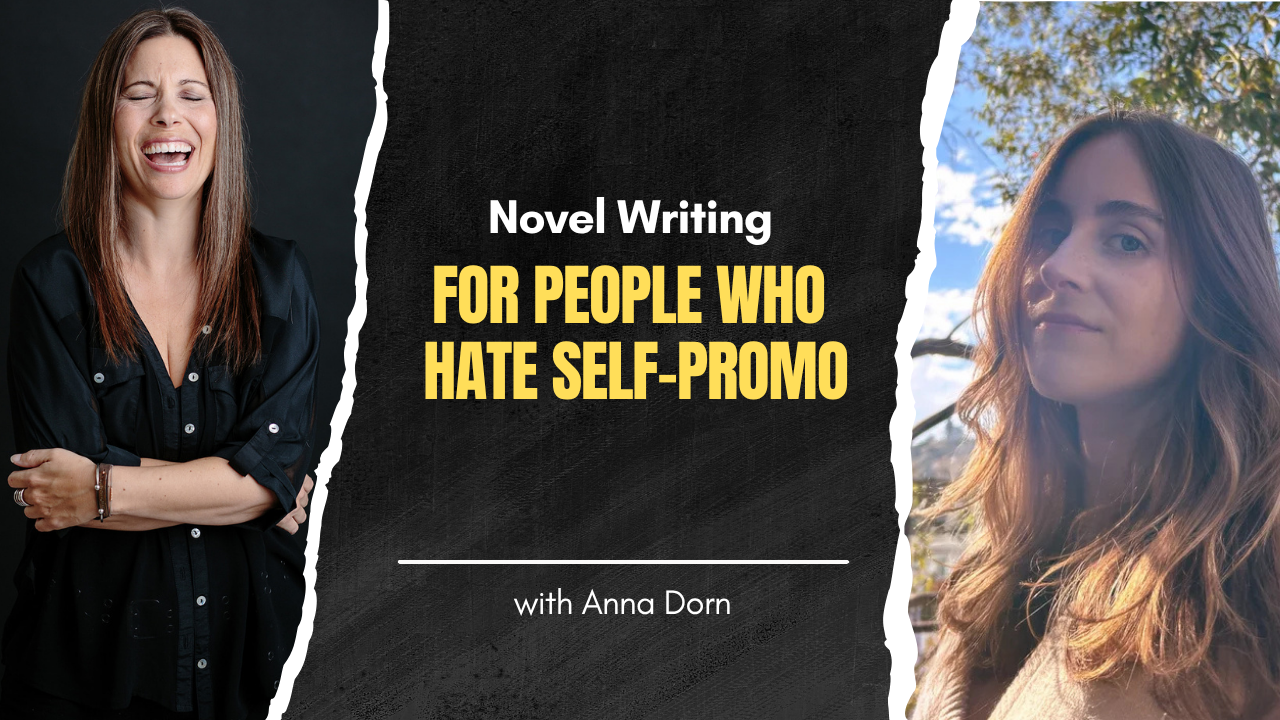
Anna Dorn has published four novels. She has also abandoned about five (closer to ten if you count the ones she started and never finished). The paperback of her debut, Vagablonde, came out October 6, 2026 from Simon & Schuster, and her next novel is slated for January 2028.
In between those facts sits a pile of books it's possible nobody will ever read. For anyone sitting on a manuscript that stalled, wondering whether that means something is wrong with their book (or them), this is a great conversation to enjoy while navigating whatever highway construction is causing an unexpected delay (just me?).
Why a Book Gets Abandoned
Not all of Anna's abandoned novels were set aside for the same reason. The first book she ever sent out on submission, written before Vagablonde, didn’t sell. Another one, written between Exalted and Perfume and Pain, also didn’t sell. Those two were abandoned by the market, not her. The rest she walked away from herself.
Sometimes she stopped believing in the premise. Sometimes it was the wrong book for a particular moment. Sometimes another idea came along that felt more alive. I fully resonate with abandoning a project because something else is pulling at you; just ask my many in-process home renovation projects!
The manuscripts that haunt people tend to be the ones they set aside with nothing to start in on instead.
The Book She Wrote Half Cocky and Half Desperate
Vagablonde has an interesting emotional split baked into it. Anna wrote the first half believing it would be her second novel. Her first was out on submission, and she assumed it would sell, so she was working from a position of confidence. Midway through, she realized the first book wasn’t going to sell, and that this one might be her debut (or nothing at all). She therefore wrote the second half with what she called a more "desperate" energy.
The book came out in May 2020, which was a spectacular moment to debut (hear the sarcasm). Her tour was cancelled, which she was fine with, since she prefers doing things online anyway.
What Six Years of Distance Does to Your Own Book
The paperback arriving six years after the hardcover is unusual, yes. Paperbacks typically follow about a year later. But this gave Anna something most authors never get: the opportunity to re-edit the book, and the longest she’d ever gone without looking at a manuscript before editing it was about a year. This time she had five.
She could read it almost the way a stranger would, and she was surprised to enjoy it more than she expected to. As an author and an editor, I can attest that the closer you are to a book, the more you see only its flaws. Distance lets you evaluate your own work with greater accuracy. She made changes, mostly references that felt dated—things she assumed in 2017 would have staying power and simply don’t. Otherwise it’s the same book.
Why Law School Was Better Training Than Publishing
Anna went to law school partly because her parents wanted her to and partly to delay deciding what to do with her life. She enjoyed law school, but did not enjoy being a lawyer. She wasn’t stressed so much as unable to make herself care.
She wrote her first novel draft during her first law job. It was, by her description, horrible and a complete mess, and it will never see daylight. What stayed with her from her time as a lawyer is how people give feedback in that environment. Someone tells you flatly that what you wrote is terrible; nobody manages your feelings. So when she gets an editorial note, even a big one, she’s fine. Her editor recently asked her to change an entire plot line, and after a brief instinctive no, she got excited about it.
Her actual complaint is the opposite of what you might expect: She finds publishing a little too nice. She doesn’t want the praise, because praise isn’t usable. She wants to know what’s broken so she can fix it.
Promoting a Book When You Hate Being the Center of Attention
Anna loves nearly every part of the writing process: brainstorming, drafting, editing, all of it. Copy editing, however, is not her favorite, and publicity is harder still. She hasn’t had a birthday party since she was a child. She doesn’t enjoy celebrating herself and says that announcing that she's written something great simply isn't comfortable for her because mostly she feels embarrassed.
She’s learned, the hard way, that you shouldn’t tell an interviewer your book isn’t very good (she knows this because she's done it). When she reads her own work aloud at an event, she’s editing it in real time, catching errors and rephrasing sentences in her head while her mouth keeps going. Anyone who edits for a living knows exactly what that feels like!
She does readings rather than book launch parties. This is more comfortable for her, since a reading isn’t about her. She goes up for a few minutes, reads, and sits down.
For the paperback edition of Vagablonde, she’s doing interviews and writing articles, with no formal launch event at all. If the self-promotion part of publishing makes you want to disappear, the lesson isn’t to force yourself onstage. It’s to find the format where the attention is pointed at the work instead of at you.
Writing With an Audience in Mind Without Writing For Them
Every sentence Anna writes has someone on the other end of it, someone she wants to make laugh or make feel seen. She’s also aware that this can get dangerous if an author overcorrects to satisfy an audience. She brought up Taylor Swift as an example, someone acutely tuned to what listeners and critics say and is now in a cycle of incorporating that feedback to diminishing returns.
So the balance she’s after has two parts—one part that writes freely and says what wants to be said.; another part that asks whether the writing will land, whether it will offend, and whether a reader will recognize themselves in it. And the bigger your readership gets, the harder that balance becomes, because more readers means more people who didn’t see themselves in it and want to say so.
What She Does With a Review Consensus
Anna skims reviews, including trade reviews, often thinking, "This isn’t really for me." But she doesn’t ignore them entirely. American Spirits, her most recent novel, drew a rough consensus on Goodreads that the pacing lagged and the writing could have been more propulsive. She’s taking that seriously for the next book, partly because pacing is something she thought she was good at.
I asked the obvious follow-up: What if she changes the pacing and a different group of readers hates the new version? Her answer was that you can’t please everybody. She’s navigating by a mix of instinct and feedback, hoping the balance lands. Either way, she owns the final decision. Some people won’t get it. That’s what happens when you put art into a marketplace. Which is, I think, the same muscle that lets her abandon some novels and keep writing. It's not detachment exactly, but more like an accurate sense of what’s hers to control.
ABOUT ANNA DORN
Website: www.anna-dorn.com
Instagram: @___adorn
Substack: samplesluts.substack.com
Want to Stay in the Know?
Sign up to receive the latest book industry news and updates!
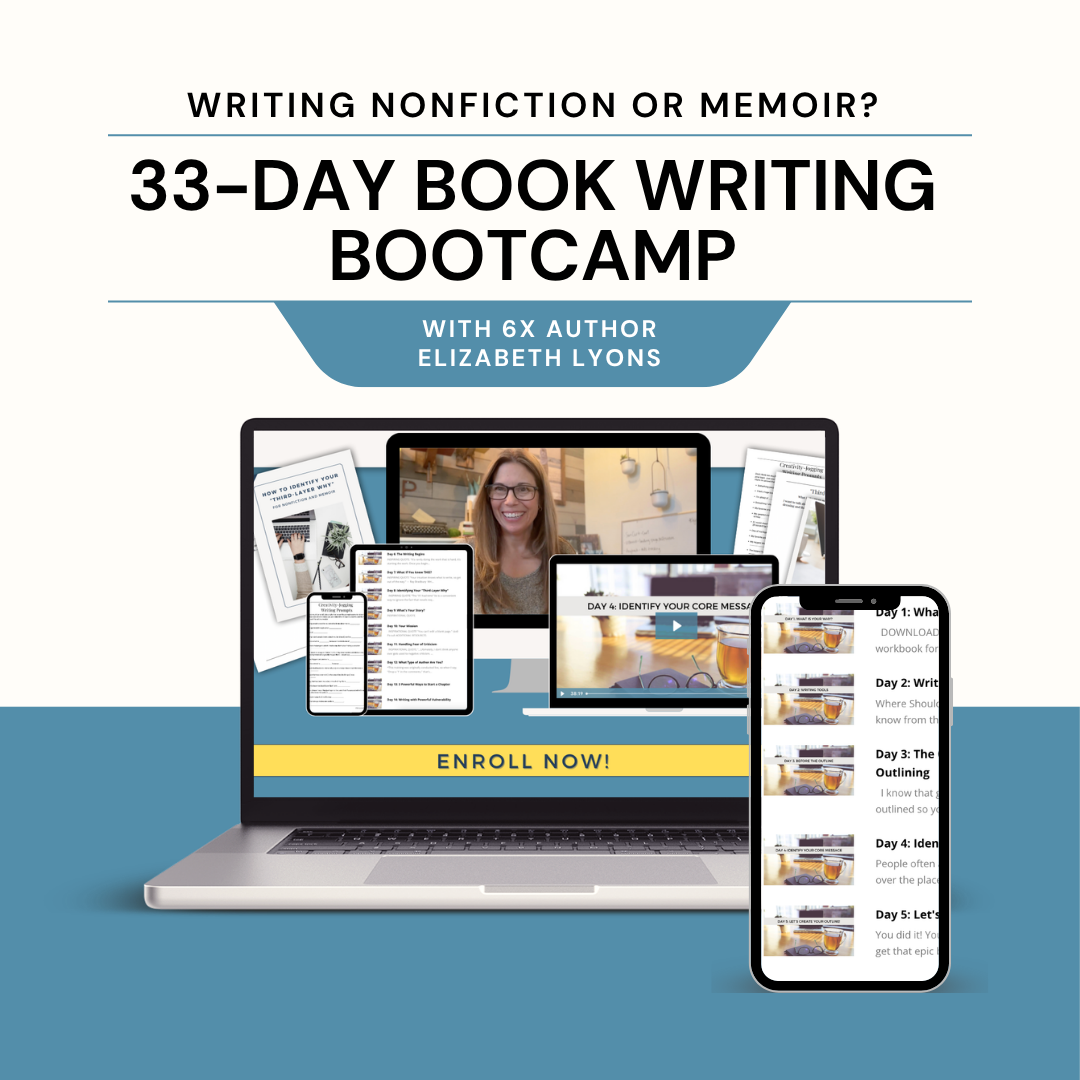
Ready to Write the Damn Book Already?
Get the first draft of your nonfiction or memoir written in 33 days!
...even if you don't have a cabin in the wilderness, 4 uninterrupted hours a day to write, or confidence that you're a "real" writer.

Amazon Ads for Indie Authors!
Learn how to run Amazon ads that actually work—even if you’ve never touched an ad platform in your life.

Want all my best author email templates?
From communicating with your launch team to building long-term relationships with readers, these templates take all the guesswork out of writing emails that turn email subscribers into loyal readers!

Need Coaching, Accountability & Community?
The Book Writers Collective provides the coaching, support, and writers' community you need to bring your book to life!

SELF-PUBLISHING STARTER KIT
Discover the exact steps to focus on (and mistakes to avoid) so you can self-publish an incredible book that's indistinguishable in quality from a New York Times bestseller.
