
Ep 161: How to Avoid Getting Banned on Amazon: 5 Essential Tips for Indie Authors
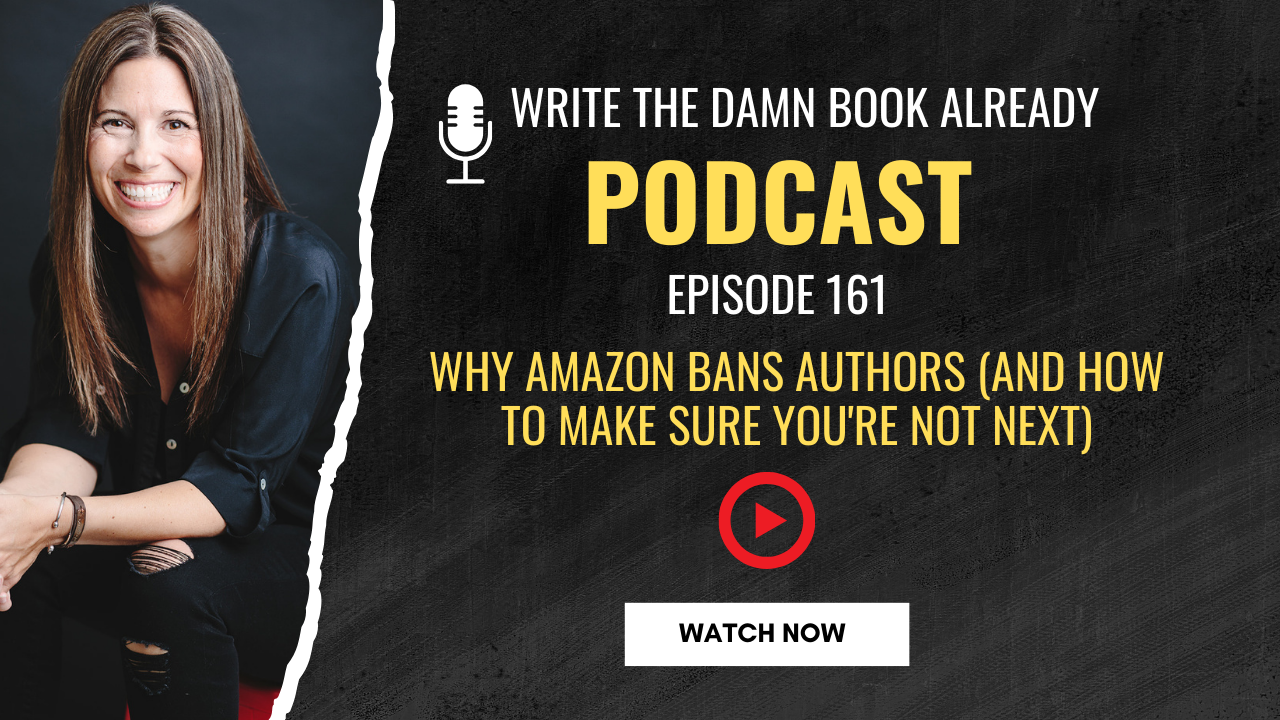
Learn how to prevent your Amazon account from being banned with these 5 essential tips.
This guide is crucial for indie authors looking to maintain their publishing presence. In the competitive world of self-publishing, one question looms large: How do I avoid getting banned on Amazon?
This concern is particularly prevalent among indie authors who fear the loss of their hard work and revenue. In this episode, I break down 5 essential strategies to help you navigate the platform safely and effectively.
Based on my extensive experience and the insights I've gathered from the indie author community, these tips will not only help you avoid pitfalls but also empower you to publish confidently.
Understanding the Fear of Getting Banned
For many indie authors, the fear of having their Amazon accounts suspended or banned is all too real. Discussions in various online groups often amplify this fear, suggesting that bans are rampant among self-publishing authors.
However, it’s important to contextualize these claims. While bans do occur, they are typically linked to specific behaviors that violate Amazon’s policies.
Understanding these behaviors is crucial for preventing issues before they arise.
Tip 1: Avoid Gaming the System
One of the most effective ways to keep your Amazon account secure is to steer clear of any attempts to game the system. This includes avoiding shortcuts that promise quick rewards but ultimately lead to account suspension.
For instance, many authors fall into the trap of using bots or services that claim to boost reviews, visibility, or sales. These methods may seem tempting, but they can easily trigger Amazon's algorithms, leading to account bans.
Many authors underestimate the importance of adhering to these guidelines, thinking they can get away with minor infractions. However, the consequences can be severe.
Why This Matters
Amazon’s system is designed to identify and penalize fraudulent activity. Engaging in practices that violate their guidelines will not only lead to account bans but can also impact your credibility as an author.
How to Do It
1) Research Amazon’s policies and familiarize yourself with the content guidelines and best practices for authors.
2) Focus on organic growth. Invest time in building your audience through genuine marketing strategies, such as social media engagement and email newsletters.
Tip 2: Steer Clear of Keyword Stuffing
Another common pitfall is keyword stuffing in book titles and descriptions. While it may seem like a good strategy to boost visibility, this practice can lead to penalties from Amazon.
Many authors believe that cramming as many keywords as possible will help them rank higher, but this approach is counterproductive.
Why This Matters
Keyword stuffing not only makes your content less appealing to readers but also raises red flags in Amazon’s algorithms. Quality over quantity should always be the mantra.
How to Do It
Use relevant keywords: Focus on long-tail keywords that accurately represent your book’s content without overloading your title.
Opt for natural language: Ensure your title and subtitle read well and make sense to potential readers.
Tip 3: Don’t Manipulate Categories
Choosing irrelevant categories for your book can backfire. Some authors think that if they select a category with less competition, they can easily rank as a bestseller. This tactic is risky and can lead to account penalties.
Why This Matters
Amazon’s algorithms recognize when books are placed in inappropriate categories, which can lead to account scrutiny.
How to Do It
Choose relevant categories: Select categories that genuinely reflect your book’s genre and content.
Research category options: Look into category trends and choose wisely to ensure your book fits well.
Ready to self-publish with confidence?
This clear, step-by-step action plan shows you exactly what to do (and what to skip) so you can self-publish your book with confidence.

Click Here to get instant access to the plan!
Tip 4: Avoid Review Bombing
Authors often rush to gather reviews post-launch, which can trigger alarms in Amazon’s system.
Review manipulation, whether through soliciting fake reviews or orchestrating a sudden influx of reviews, can be detrimental to your account. Amazon values organic reviews and can penalize authors who engage in review manipulation.
How to Do It
Encourage genuine reviews: Ask readers to review your book naturally after they’ve read it.
Space out requests: Instead of soliciting a large number of reviews all at once, spread out your requests over time.
Tip 5: Stay Informed and Prepared
Having a plan in place can alleviate some anxiety about potential bans. Stay informed about best practices and be ready to address any issues that arise.
Being proactive can save you from the stress of an unexpected account suspension!
How to Do It
Join author communities: Engage with other authors to share experiences and insights.
Educate yourself: Regularly review Amazon’s guidelines and updates.
Navigating the world of self-publishing on Amazon can be daunting, but by following these five essential tips, you can significantly reduce the risk of getting banned.
Remember, the key to success lies in genuine engagement and adherence to Amazon’s guidelines. So take a deep breath, implement these strategies, and move forward with confidence in your publishing journey.
FAQs
What can trigger an Amazon account ban?
An Amazon account ban can be triggered by violations of their content policies, such as engaging in fraudulent activities or manipulating reviews.
How can I appeal an account ban?
If your account is banned, you can submit an appeal to Amazon through their Seller Performance team, providing details and evidence to support your case.
Is it safe to use AI-generated content for my books?
While AI-generated content can be useful, ensure it meets quality standards and doesn’t violate Amazon’s policies.
Want to Stay in the Know?
Sign up to receive the latest book industry news and updates!
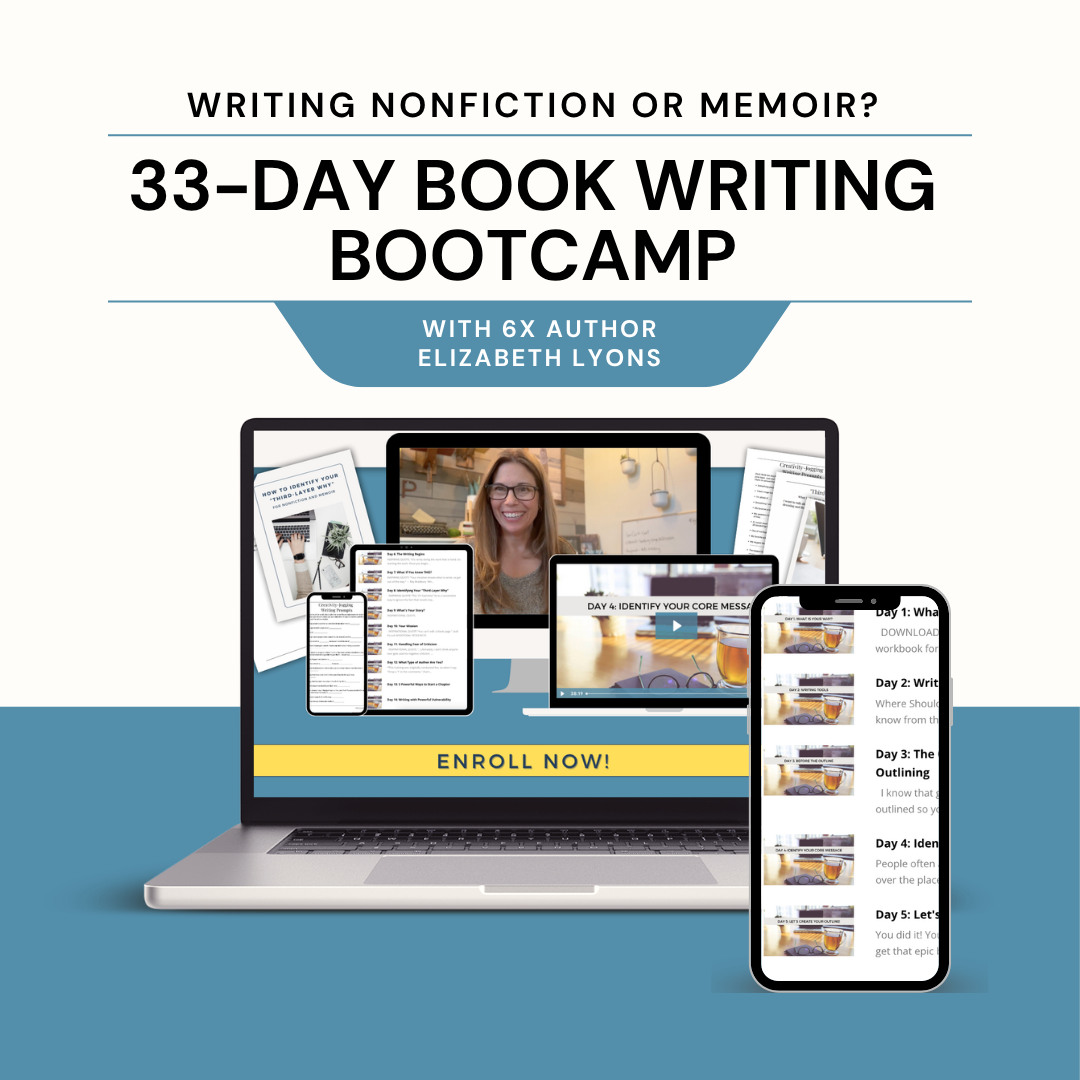
Ready to Write the Damn Book Already?
Get the first draft of your nonfiction or memoir written in 33 days!
...even if you don't have a cabin in the wilderness, 4 uninterrupted hours a day to write, or confidence that you're a "real" writer.

Amazon Ads for Indie Authors!
Learn how to run Amazon ads that actually work—even if you’ve never touched an ad platform in your life.

Want all my best author email templates?
From communicating with your launch team to building long-term relationships with readers, these templates take all the guesswork out of writing emails that turn email subscribers into loyal readers!

Need Coaching, Accountability & Community?
The Book Writers Collective provides the coaching, support, and writers' community you need to bring your book to life!

SELF-PUBLISHING STARTER KIT
Discover the exact steps to focus on (and mistakes to avoid) so you can self-publish an incredible book that's indistinguishable in quality from a New York Times bestseller.
